Road geotechnics forms the critical foundation of every successful transportation infrastructure project in Winston-Salem, encompassing the engineering behavior of earth materials and their interaction with pavement systems. This specialized discipline addresses the unique challenges posed by the region's Piedmont physiographic province, where residual soils derived from weathered granite, gneiss, and schist create complex subsurface conditions that directly influence road performance. In a city experiencing steady growth along the I-40 corridor and expanding residential developments in areas like Clemmons and Kernersville, understanding the geotechnical properties of local soils is not merely academic but essential for preventing premature pavement failure, slope instability, and costly maintenance interventions.
Winston-Salem's geological setting presents distinctive considerations for road geotechnics, characterized by saprolitic soils that retain the fabric of parent rock while exhibiting variable strength and drainage characteristics. The presence of Cecil, Pacolet, and Madison soil series across Forsyth County introduces challenges related to shrink-swell potential, erodibility, and compaction behavior that must be carefully evaluated during site investigation. Seasonal moisture fluctuations in these fine-grained residual soils can lead to significant volume changes, while the transition zones between weathered rock and competent bedrock often create differential settlement risks. Proper geotechnical characterization through CBR study for road design becomes indispensable for predicting subgrade performance under traffic loading and environmental conditions typical of the North Carolina Piedmont.
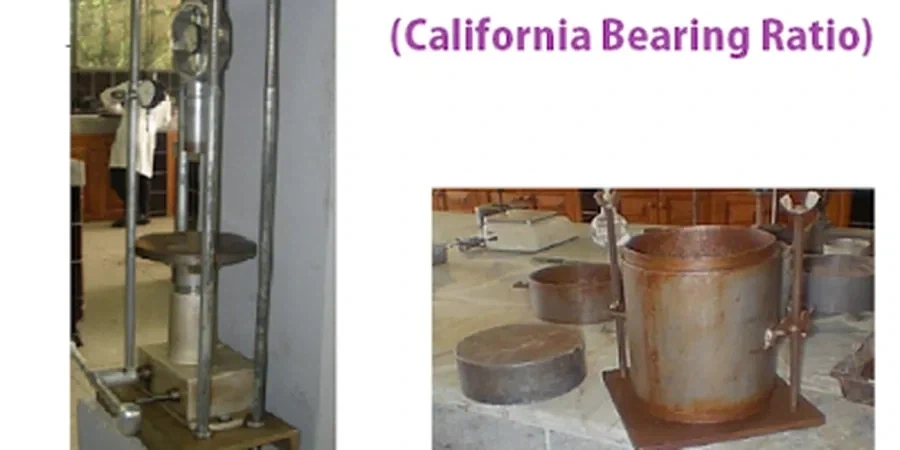
Regulatory compliance in North Carolina road geotechnics follows the standards established by the North Carolina Department of Transportation (NCDOT), which align with AASHTO and ASTM specifications while incorporating regional track record. NCDOT's Standard Specifications for Roads and Structures, along with the agency's comprehensive Geotechnical Design Manual, govern subsurface investigation requirements, material testing protocols, and acceptance criteria for earthwork and pavement foundation layers. These specifications mandate minimum CBR values, compaction standards typically set at 95% of modified Proctor density for subgrade soils, and detailed procedures for evaluating the suitability of on-site materials. The NCDOT Pavement Design Manual further integrates geotechnical parameters into the mechanistic-empirical framework used for determining pavement layer thicknesses and compositions.
The application of road geotechnics in Winston-Salem spans diverse project types, from municipal street widening and commercial site access roads to major highway interchange improvements along US-52 and I-40. Flexible pavement design relies heavily on resilient modulus values derived from subgrade soil testing and granular base characterization to optimize asphalt concrete layer thicknesses for expected traffic loads. Alternatively, Rigid pavement design requires assessment of modulus of subgrade reaction to determine concrete slab thickness and joint spacing appropriate for local soil support conditions. Each project type demands thorough geotechnical investigation to address site-specific challenges such as cut-fill transitions, groundwater management, and the potential presence of micaceous soils that can compromise compaction efforts.
Common questions
What is road geotechnics and why is it important for Winston-Salem infrastructure?
Road geotechnics is the engineering discipline focused on soil and rock behavior as it relates to roadway design, construction, and performance. In Winston-Salem, it is critical because the Piedmont region's residual soils exhibit variable strength, shrink-swell potential, and drainage characteristics that directly affect pavement longevity. Proper geotechnical evaluation prevents subgrade failures, reduces maintenance costs, and ensures pavements withstand local climate conditions and traffic demands over their intended service life.
What geotechnical challenges are common in the Winston-Salem area?
Winston-Salem's location in the Piedmont province presents challenges with saprolitic residual soils that maintain parent rock fabric but have altered engineering properties. Common issues include variable weathering depths, micaceous soils with poor compaction characteristics, seasonal shrink-swell behavior in clay-rich horizons, and abrupt transitions between soil and bedrock. Groundwater perched within weathered profiles and erosion susceptibility on construction slopes further complicate road earthwork and subgrade preparation.
How do North Carolina DOT standards affect road geotechnics in Winston-Salem?
NCDOT standards govern all aspects of road geotechnics through the Standard Specifications for Roads and Structures and the Geotechnical Design Manual. These documents establish requirements for subsurface investigation frequency, laboratory testing protocols including CBR and resilient modulus testing, compaction specifications typically requiring 95% modified Proctor density, and material acceptance criteria. Local projects must also comply with NCDOT's Pavement Design Manual for mechanistic-empirical thickness determination based on geotechnical inputs.
What types of road projects require comprehensive geotechnical investigation?
Comprehensive geotechnical investigation is essential for all road projects in Winston-Salem, from residential subdivision streets and commercial parking areas to arterial widenings and interstate highway construction. Projects involving significant cut-fill transitions, bridge approaches, retaining walls, or construction over soft alluvial deposits along creek crossings demand particularly thorough evaluation. Any pavement expected to carry heavy truck traffic, including industrial access roads and logistics center entrances, requires detailed subgrade characterization.
Location and service area
We serve projects across Winston-Salem and surrounding areas.