Excavation in Winston-Salem encompasses a broad spectrum of earthwork and subsurface construction activities essential to the city's ongoing development and infrastructure renewal. From basement digs for downtown commercial buildings to trenching for utility upgrades in historic neighborhoods, every excavation project must contend with the region's distinctive geological profile. The category covers site preparation, shoring design, soil removal, rock cutting, and the critical geotechnical assessments that ensure stability and safety throughout construction. In a city where aging infrastructure meets new growth, proper excavation practices are not just a matter of efficiency—they are fundamental to protecting adjacent structures, underground utilities, and the long-term integrity of the built environment.
Winston-Salem sits within the Piedmont physiographic province, where subsurface conditions are dominated by residual soils derived from the weathering of crystalline bedrock, primarily granite, gneiss, and schist. These soils, typically silty sands and sandy silts with varying degrees of plasticity, often transition abruptly into partially weathered rock known as saprolite, which can behave unpredictably during excavation. The depth to competent bedrock can vary dramatically over short distances, sometimes within a single site, creating challenges for contractors who may encounter hard rock lenses or soft, collapsible zones without warning. Groundwater is generally perched within the weathered zone rather than in deep aquifers, but seasonal fluctuations can destabilize excavation faces and complicate dewatering efforts, particularly in low-lying areas near streams like Salem Creek or Peters Creek.
Excavation work in Winston-Salem must comply with federal OSHA standards, specifically 29 CFR 1926 Subpart P, which governs trenching and excavation safety, including soil classification, protective systems, and competent person requirements. North Carolina has adopted these federal regulations without significant modification, but local municipalities, including Winston-Salem, may impose additional permitting conditions through the Inspections Division, particularly for projects within designated historic districts or those impacting public rights-of-way. The North Carolina Building Code, based on the International Building Code, also references excavation requirements related to foundation construction, site grading, and erosion control. For deep excavations near existing structures, the North Carolina State Building Code's existing building provisions may trigger special inspections and geotechnical monitoring to verify that shoring and underpinning systems perform as designed.
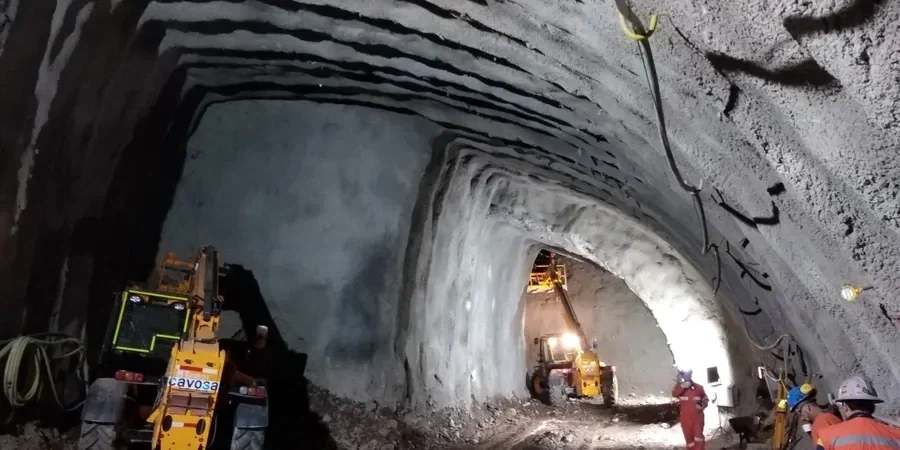
This category supports a wide range of project types across Winston-Salem. Urban infill developments in the Downtown and Innovation Quarter areas frequently require geotechnical design of deep excavations to safely construct multilevel basements and underground parking structures adjacent to historic buildings with shallow foundations. Infrastructure projects, including water and sewer line replacements in older neighborhoods like West End, demand careful trenching practices and often benefit from geotechnical analysis for soft soil tunnels when conventional open-cut methods pose too much risk to mature tree canopies or brick-lined streets. Transportation improvements, such as the Business 40 reconstruction, have demonstrated the importance of geotechnical excavation monitoring to track ground movements and adjust construction methods in real time. Even smaller-scale residential projects on the city's hilly terrain can trigger the need for professional excavation oversight when slopes exceed the natural angle of repose for Piedmont soils.
Common questions
What soil conditions are typical for excavations in Winston-Salem?
Excavations in Winston-Salem typically encounter residual Piedmont soils—silty sands and sandy silts formed from weathered granite, gneiss, and schist. These soils often overlie saprolite, a partially weathered rock layer with variable strength, before reaching competent bedrock. The transition between these materials can be abrupt, and groundwater perched within the weathered zone may require dewatering, especially after heavy rain.
What permits are required for excavation work in Winston-Salem?
Excavation permits in Winston-Salem are typically obtained through the City Inspections Division, with requirements varying by project scope. Work in public rights-of-way requires an encroachment permit, while sites in historic districts may need additional review. All excavations must comply with OSHA trenching and excavation standards (29 CFR 1926 Subpart P) and the North Carolina Building Code, with special inspections often mandated for deep excavations.
How deep can an excavation be before special shoring or monitoring is required?
OSHA requires protective systems for trenches five feet deep or greater, but in Winston-Salem's variable residual soils, even shallower excavations may need shoring if the competent person identifies instability. For deep excavations exceeding 20 feet near existing structures, North Carolina building officials typically require engineered shoring designs and geotechnical monitoring to track lateral movements and settlement risks throughout construction.
What are the main risks of excavating near older buildings in Winston-Salem?
Excavating near Winston-Salem's historic structures risks undermining shallow foundations, inducing settlement, or causing lateral movement in the weathered Piedmont soils. Vibrations from rock removal can also damage unreinforced masonry. These risks are managed through underpinning, soil nailing, or tieback systems combined with real-time monitoring, especially in districts like Old Salem where preservation constraints are stringent.
Location and service area
We serve projects across Winston-Salem and surrounding areas.